

on ideating books
adventures in creation, volume I

Today I’m starting a new series, adventures in creation, where I’ll document my process as I go as extra insurance to make sure my book doesn’t get cancelled after literal publication due to the advent of generative AI.1
And, yes, it is that serious.
Since this series will be more personal and in-depth than my other posts, I’ve decided to place it behind a paywall.2 Part of this post will be an extended free preview so you can see what I’m on about before you subscribe.
So, let’s begin!
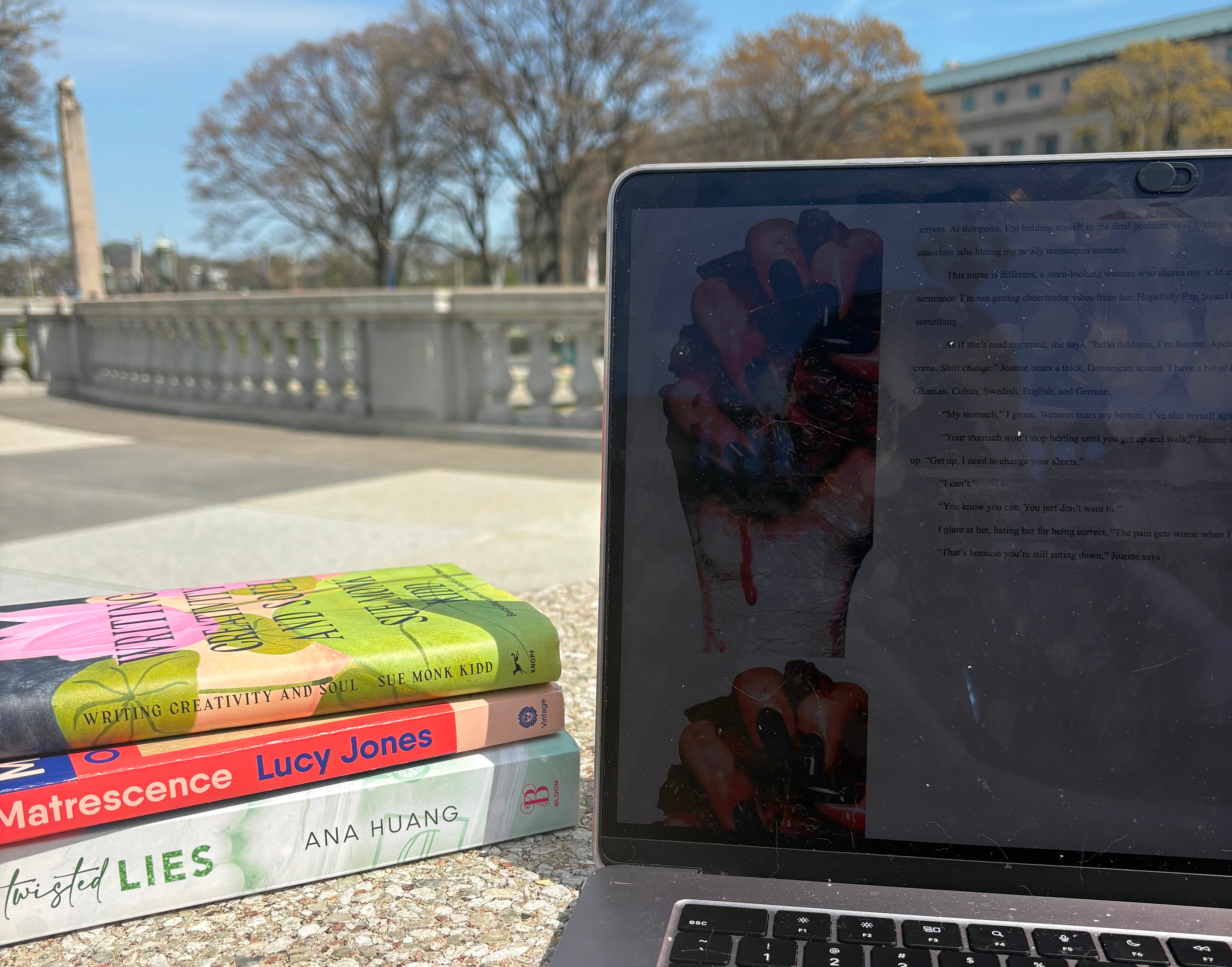
The ideation process is precious, frustrating, fun, and awful. I’m not someone who likes to fumble in the dark, creating something from nothing—even though that’s what so much of fiction is, I at least have an outline when I’m drafting. I have a draft to work with when I’m revising.
When I’m ideating, I don’t have anything to work off of other than an idea. This time, the idea was:
okay i want to write about the first year after bariatric surgery except that feels more literary let’s spice it up OOOOO WAIT what about if i write about CANNIBALISM and make it a SOCIAL HORROR cannibalism is hot right now (IN THE MARKET, people, not in real life) (mostly) and i want to learn more about why on earth people do that
And thus, FAT CHANCE was born.
I was supposed to write a different book, actually, one based on the Kouri Richins case. TL;DR: Kouri Richins killed her husband, then wrote and published a picture book about grief. (Also, shout out to Hannah Whitten for DMing me like “you should write this book” when I hadn’t even considered it. Read her books, they’re great, especially Reliquary.)
I’d been sitting on that idea for years, and decided to finally write it as part of my MFA program. At this point in the program, we have to exchange work with writing mentors over the next six quarters, and most of us are choosing to write novels. The Richins book wasn’t quite clicking, though. I couldn’t figure out the main character, nor the themes of the book. Did I want her to be convicted, in the end? Was there a moral lesson, a cautionary tale? Did I want to make the book gay3? And what was the plot, anyways?
If I can’t answer basic questions about my story, how can I write it? This story was especially fraught because it’s true crime, a genre where you should take care with how you portray victims and perpetrators. Plus the case was still pending when I was having all of these thoughts, and I wasn’t sure what the outcome would be.4
So. That book was out.
Only, what book would rush in to replace it?
